MoodleMoot.hu (Magyar Moodle közösség és konferencia)
akvarisztika
دليلك للتعرف على عملية تبخير وشفط الغضروف بدون جراحة
تُعد مشكلات الغضاريف والانزلاق الغضروفي من الحالات التي قد تؤثر بصورة واضحة في حركة الإنسان وقدرته على ممارسة أنشطته اليومية، خاصة عندما يؤدي بروز أو انزلاق أحد الغضاريف إلى الضغط على الأعصاب المحيطة بالعمود الفقري. وقد تظهر المشكلة في صورة آلام أسفل الظهر أو الرقبة، أو ألم يمتد إلى الأطراف، أو تنميل ووخز، وقد يصاحبها في بعض الحالات ضعف في العضلات. ومع تطور أساليب علاج الألم والتدخلات المحدودة، لم يعد التعامل مع بعض حالات الانزلاق الغضروفي مقتصرًا على الجراحة التقليدية.
ومن التقنيات التي قد تُستخدم لعلاج حالات مختارة تبخير وشفط الغضروف، وهي من التدخلات المحدودة التي تهدف إلى تقليل الجزء الغضروفي المتسبب في الضغط، بما يساعد على تخفيف الأعراض لدى المريض المناسب. ويعتمد اختيار هذه التقنية على التشخيص الدقيق، والفحص السريري، ونتائج الأشعة، وطبيعة الانزلاق الغضروفي، ومدى ارتباط الأعراض بالضغط على الأعصاب.
ويقدّم الأستاذ الدكتور هشام العزازي، استشاري علاج الألم والتدخلات المحدودة لحالات العمود الفقري والمفاصل، حلولًا علاجية غير جراحية ومحدودة التدخل، مع الاستعانة بالتوجيه بالأشعة أو الموجات فوق الصوتية بحسب الإجراء والحالة. ويمتلك خبرة واسعة في التخدير والعناية المركزة وعلاج الألم، مع اهتمام خاص بالتشخيص الدقيق واختيار التدخل المناسب لكل مريض.
في هذا الدليل نتعرف بصورة مبسطة على تبخير وشفط الغضروف بدون جراحة، وكيف تتم العملية، والحالات التي قد تناسبها، وفوائدها، ومتى لا تكون الخيار الأفضل، بالإضافة إلى أهم الأسئلة التي ينبغي مناقشتها مع الطبيب قبل اتخاذ القرار العلاجي.
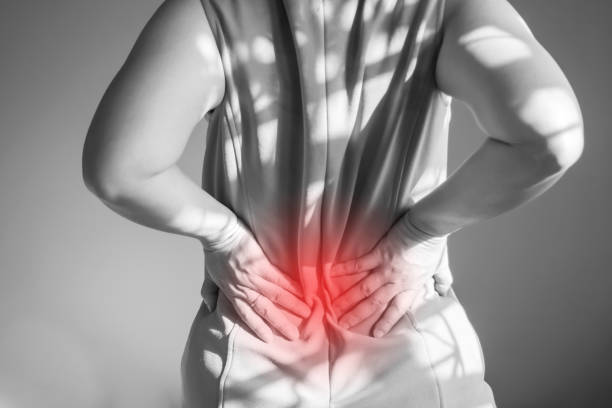
ما المقصود بتبخير وشفط الغضروف بدون جراحة؟
تبخير وشفط الغضروف هو أحد أنواع التدخلات المحدودة التي تستهدف جزءًا من الغضروف المنزلق أو البارز، بهدف تقليل حجمه أو تخفيف الضغط الناتج عنه على الأنسجة العصبية. ويختلف هذا الإجراء عن جراحات العمود الفقري المفتوحة؛ إذ يتم الوصول إلى المنطقة المستهدفة من خلال مدخل صغير وباستخدام أدوات وتقنيات مخصصة وفق نوع الإجراء والحالة.
الفكرة الأساسية في بعض تقنيات تبخير أو شفط الغضروف تتمثل في إزالة أو تقليل جزء من المادة الغضروفية الموجودة في موضع محدد، وهو ما قد يؤدي إلى خفض الضغط داخل الغضروف أو تقليل البروز المؤثر في العصب. ولا يعني ذلك أن الإجراء يعيد الغضروف إلى حالته الأصلية تمامًا، بل إن الهدف العلاجي يكون عادةً تقليل العامل المسبب للأعراض وتحسين حالة المريض.
ويجب التأكيد على أن مصطلح "بدون جراحة" لا يعني عدم وجود تدخل طبي على الإطلاق، وإنما يُقصد به غالبًا التدخل المحدود الذي لا يتطلب الجراحة المفتوحة التقليدية. لذلك ينبغي معرفة التقنية المستخدمة تحديدًا، وسبب اختيارها، ومدى ملاءمتها لحالة المريض.
كما أن نجاح العلاج لا يعتمد على اسم التقنية وحده، وإنما يرتبط بالتشخيص الصحيح واختيار المرضى المناسبين، وخبرة الطبيب في التدخلات المحدودة، وطبيعة الانزلاق الغضروفي ومكانه، ووجود أو عدم وجود مشكلات أخرى في العمود الفقري.
كيف يتم تبخير وشفط الغضروف؟
تبدأ الخطوات عادةً بتقييم طبي شامل للحالة، يتضمن الاستماع إلى الأعراض وفحص الحركة والقوة والإحساس والمنعكسات، إلى جانب مراجعة الفحوصات التصويرية المناسبة، وعلى رأسها الرنين المغناطيسي في الحالات التي تستدعي ذلك.
بعد التأكد من أن الحالة قد تكون مناسبة للتدخل المحدود، يحدد الطبيب المنطقة المستهدفة وطريقة الوصول إليها. ويُجرى الإجراء باستخدام تقنيات تعقيم مناسبة وتحت توجيه تصويري يساعد الطبيب على تحديد موضع التدخل بدقة. وقد تختلف طريقة التخدير وفق التقنية المستخدمة وحالة المريض ورؤية الطبيب الطبية.
بعد الوصول إلى المنطقة المستهدفة، تُستخدم أداة مخصصة للتعامل مع الجزء الغضروفي المطلوب. وفي بعض التقنيات يمكن تقليل جزء من المادة الغضروفية بالتبخير، بينما تعتمد تقنيات أخرى على شفط جزء من المادة الغضروفية، وفق نوع الإجراء المستخدم.
تساعد إزالة كمية مناسبة من المادة الغضروفية على تقليل الضغط في المنطقة المستهدفة، وقد يؤدي ذلك إلى تحسن الألم والأعراض العصبية المرتبطة بالضغط على العصب لدى المريض المناسب.
ومن المهم أن تتم هذه الإجراءات بواسطة طبيب متخصص في علاج الألم والتدخلات المحدودة، مع استخدام وسائل التوجيه المناسبة؛ لأن التعامل مع منطقة العمود الفقري يتطلب معرفة دقيقة بالتشريح وموقع الأعصاب والأوعية والأنسجة المحيطة.
من الحالات التي قد تستفيد من هذا التدخل؟
لا يُعد تبخير وشفط الغضروف علاجًا مناسبًا لجميع مرضى الانزلاق الغضروفي. فالقرار يعتمد على مجموعة من العوامل التي يقيّمها الطبيب بعد الفحص ومراجعة الأشعة.
قد يكون التدخل مناسبًا في بعض حالات الانزلاق الغضروفي التي تسبب أعراضًا مستمرة، خصوصًا عندما يكون هناك ارتباط واضح بين شكل الانزلاق في الأشعة وبين الأعراض التي يشعر بها المريض. كما يمكن التفكير في التدخلات المحدودة عندما لا تحقق الوسائل التحفظية تحسنًا كافيًا، ويكون المريض مرشحًا مناسبًا للتقنية المستخدمة.
ومن العوامل التي قد تؤخذ في الاعتبار مكان الانزلاق الغضروفي، وحجمه، واتجاهه، ودرجة تأثيره في الأعصاب، ومدى استمرار الألم، ووجود أعراض مثل عرق النسا أو الألم الممتد إلى الطرف، إضافة إلى الحالة الصحية العامة للمريض.
في المقابل، قد توجد حالات تحتاج إلى نهج علاجي مختلف، مثل وجود عدم استقرار واضح في العمود الفقري، أو بعض حالات تضيق القناة العصبية الشديد، أو وجود ضغط عصبي متقدم مصحوب بعلامات تستدعي تدخلًا جراحيًا تقليديًا. لذلك لا ينبغي اتخاذ قرار العلاج بناءً على الأشعة وحدها أو بناءً على تجربة شخص آخر.
القاعدة الأساسية هي أن كل حالة تحتاج إلى تقييم فردي، وأن الإجراء المناسب لشخص قد لا يكون مناسبًا لشخص آخر حتى لو كان التشخيص العام متشابهًا.
ما الفرق بين تبخير وشفط الغضروف والجراحة التقليدية؟
يتمثل أحد أهم الفروق في طبيعة التدخل. فالجراحة التقليدية للغضروف قد تتطلب شقًا جراحيًا وإجراءات أوسع للوصول إلى المنطقة المصابة، بينما تهدف التدخلات المحدودة إلى الوصول إلى الجزء المستهدف من خلال مدخل أصغر وبأقل قدر ممكن من التعامل مع الأنسجة المحيطة.
ومن الفروق المهمة أيضًا أن تبخير وشفط الغضروف يستهدف جزءًا محددًا من المادة الغضروفية في الحالات المناسبة، بينما قد تتطلب بعض الحالات الجراحية إجراءات أكثر اتساعًا بحسب طبيعة المشكلة.
وقد ترتبط التدخلات المحدودة في الحالات المناسبة بفترة تعافٍ أقصر مقارنة ببعض الجراحات المفتوحة، لكن مدة التعافي تختلف من مريض إلى آخر بحسب نوع الإجراء والحالة الصحية وطبيعة المشكلة ومدى الاستجابة للعلاج.
ولا ينبغي النظر إلى التبخير والشفط باعتبارهما بديلًا مطلقًا للجراحة؛ فهناك حالات يكون فيها التدخل الجراحي هو الخيار الأكثر ملاءمة. ومن هنا تأتي أهمية التقييم الطبي المتخصص، إذ لا يكون الهدف اختيار العلاج الأقل تدخلًا فقط، وإنما اختيار العلاج الأكثر ملاءمة وأمانًا للحالة.
كما يجب أن يشرح الطبيب للمريض طبيعة الإجراء، والنتائج المتوقعة، والبدائل المتاحة، والمخاطر المحتملة، حتى يكون القرار مبنيًا على معلومات طبية واضحة.
ما أبرز مميزات تبخير وشفط الغضروف؟
من أهم أسباب الاهتمام بالتدخلات المحدودة أنها تسعى إلى علاج المشكلة بطريقة أقل تدخلًا من الجراحة المفتوحة في الحالات التي تسمح طبيعتها بذلك. وقد يساعد هذا النهج على تقليل التعامل مع الأنسجة مقارنة ببعض الإجراءات الجراحية التقليدية.
ومن المميزات المحتملة أيضًا صغر المدخل المستخدم في بعض التقنيات، وتقليل فترة التعافي في الحالات المناسبة، وإمكانية العودة التدريجية إلى الأنشطة اليومية خلال فترة يحددها الطبيب وفق استجابة المريض.
وقد يساهم تقليل الجزء الغضروفي المسؤول عن الضغط في تخفيف الألم والأعراض العصبية لدى المرضى الذين تتوافق حالتهم مع معايير اختيار الإجراء. ومع ذلك، تختلف النتائج بصورة كبيرة بين المرضى، ولا يمكن ضمان نتيجة محددة لكل حالة.
ومن الجوانب المهمة كذلك استخدام التوجيه التصويري أثناء التدخل، إذ يساعد الطبيب على الوصول إلى المنطقة المستهدفة بدقة أكبر. ويُعد اختيار المريض المناسب من أهم عوامل نجاح أي تدخل محدود، إلى جانب الخبرة الطبية والتقنية المستخدمة والمتابعة بعد الإجراء.
ويجب عدم فهم كلمة "مميزات" باعتبارها ضمانًا للشفاء أو منع عودة الأعراض مستقبلًا. فالعمود الفقري يتأثر بعوامل متعددة، منها طبيعة النشاط البدني، والوزن، وضعف العضلات، والتغيرات التنكسية، وطريقة الحركة، وغيرها من العوامل التي قد تحتاج إلى التعامل معها ضمن خطة علاجية متكاملة.
هل تبخير وشفط الغضروف آمن؟ وما المخاطر المحتملة؟
مثل أي إجراء طبي، توجد احتمالات للمضاعفات حتى مع استخدام تقنيات محدودة وتحت إشراف طبي متخصص. ويعتمد مستوى الخطورة على نوع الإجراء، ومكانه، والحالة الصحية للمريض، والخبرة الطبية، وطريقة تنفيذ التدخل.
قد تشمل الآثار المحتملة ألمًا مؤقتًا في موضع التدخل أو زيادة مؤقتة في الأعراض، كما توجد مضاعفات أقل شيوعًا قد ترتبط بالتدخلات على العمود الفقري. ولهذا يتم اتخاذ احتياطات التعقيم والتوجيه التصويري والتقييم الطبي قبل الإجراء وبعده.
ومن الضروري إبلاغ الطبيب بأي أمراض مزمنة، أو أدوية يتم تناولها، أو أدوية تؤثر في سيولة الدم، أو وجود حساسية معروفة، أو أي معلومات صحية يمكن أن تؤثر في سلامة الإجراء.
كما يجب الالتزام بتعليمات الطبيب بعد التدخل، خصوصًا فيما يتعلق بالنشاط البدني والأدوية والمتابعة. وفي حال ظهور أعراض غير معتادة أو شديدة بعد الإجراء، ينبغي التواصل مع الطبيب أو طلب التقييم الطبي العاجل بحسب طبيعة الأعراض.
والأهم هو عدم التعامل مع الإجراء على أنه خالٍ تمامًا من المخاطر لمجرد أنه "بدون جراحة". فالتدخل المحدود يظل إجراءً طبيًا يحتاج إلى تقييم دقيق وتنفيذ متخصص.
ماذا يحدث بعد تبخير وشفط الغضروف؟
تختلف فترة التعافي بعد تبخير وشفط الغضروف بحسب التقنية المستخدمة وحالة المريض ومدى شدة المشكلة قبل التدخل. وقد يستطيع بعض المرضى العودة إلى أنشطتهم اليومية بصورة تدريجية خلال فترة قصيرة، بينما يحتاج آخرون إلى وقت أطول.
بعد الإجراء، يقدم الطبيب تعليمات خاصة بالحركة والراحة والنشاط البدني. وقد يُنصح بتجنب بعض الأنشطة التي تضع ضغطًا زائدًا على العمود الفقري خلال المرحلة الأولى، ثم العودة تدريجيًا إلى النشاط وفق التحسن.
ولا يعني تحسن الألم مباشرة أن العمود الفقري أصبح جاهزًا لجميع الأنشطة البدنية، لذلك ينبغي عدم التسرع في ممارسة التمارين الشديدة أو حمل الأوزان دون توجيه طبي.
وقد تكون المتابعة والعلاج الطبيعي وتمارين تقوية العضلات جزءًا مهمًا من خطة التعافي في بعض الحالات، خصوصًا عندما يحتاج المريض إلى تحسين قوة العضلات ودعم العمود الفقري وتصحيح بعض أنماط الحركة.
وتُعد المتابعة الطبية فرصة لتقييم تطور الأعراض ومعرفة مدى الاستجابة للتدخل، كما تساعد في تحديد الخطوات التالية إذا بقي جزء من الأعراض أو ظهرت أعراض جديدة.
كيف يحدد الطبيب العلاج الأنسب للغضروف؟
يبدأ اختيار العلاج من التشخيص، وليس من اسم الإجراء. ولذلك يحتاج الطبيب إلى معرفة طبيعة الألم ومكانه ومدته والعوامل التي تزيده أو تخففه، إلى جانب إجراء الفحص السريري ومراجعة الأشعة عند الحاجة.
وقد يبدأ علاج بعض حالات الانزلاق الغضروفي بوسائل تحفظية مثل تعديل النشاط، والأدوية المناسبة طبيًا، والعلاج الطبيعي، وغيرها من الإجراءات وفق حالة المريض. وإذا لم تحقق هذه الوسائل النتيجة المطلوبة، أو كانت طبيعة الحالة تستدعي تدخلًا محدودًا، يمكن للطبيب دراسة الخيارات المتاحة.
وفي الحالات التي يكون فيها تبخير أو شفط الغضروف مناسبًا، يتم تحديد التقنية وفق موقع الانزلاق وشكله وطبيعة الضغط العصبي وغيرها من العوامل. أما إذا كانت الحالة لا تستجيب لهذا النوع من التدخل أو توجد مشكلة تحتاج إلى علاج مختلف، فقد يوصي الطبيب بخيار آخر.
ويعتمد الأستاذ الدكتور هشام العزازي في تقييم حالات العمود الفقري على التشخيص الدقيق وتحديد مصدر الألم، مع الاستفادة من تقنيات التوجيه بالأشعة أو الموجات فوق الصوتية في الإجراءات التي تتطلب ذلك. ويهدف هذا النهج إلى اختيار التدخل الأكثر ملاءمة للحالة بدلًا من تطبيق إجراء واحد على جميع المرضى.
لذلك، إذا كنت تعاني من ألم مستمر في الظهر أو الرقبة، أو ألم يمتد إلى الذراع أو الساق، أو أعراض مرتبطة بالانزلاق الغضروفي، فإن الخطوة الأولى هي الحصول على تقييم طبي متخصص. وبعد تحديد السبب، يمكن مناقشة الخيارات العلاجية، ومنها التدخلات المحدودة مثل تبخير وشفط الغضروف عندما تكون مناسبة.
خاتمة
يمثل تبخير وشفط الغضروف بدون جراحة أحد الخيارات الحديثة ضمن مجال التدخلات المحدودة لعلاج بعض حالات الانزلاق الغضروفي، حيث يهدف إلى تقليل الجزء الغضروفي المتسبب في المشكلة وتخفيف الضغط والأعراض لدى المرضى الذين تنطبق عليهم معايير اختيار الإجراء. ومع ذلك، لا يمكن اعتبار هذه التقنية حلًا مناسبًا لكل حالات الغضروف، كما لا يمكن ضمان نتيجة واحدة لجميع المرضى.
ويظل التشخيص الدقيق هو الأساس في تحديد العلاج، إذ تختلف حالات الانزلاق الغضروفي من شخص إلى آخر من حيث الموقع والحجم وشدة الضغط على الأعصاب والأعراض المصاحبة. وقد يكون العلاج التحفظي مناسبًا لبعض المرضى، بينما قد يستفيد آخرون من التدخلات المحدودة، في حين تحتاج بعض الحالات إلى جراحة تقليدية.
ويُعد الأستاذ الدكتور هشام العزازي، استشاري علاج الألم والتدخلات المحدودة لحالات العمود الفقري والمفاصل، من المتخصصين في تقديم حلول علاجية موجهة بالتقنيات التصويرية، مع خبرة واسعة في التخدير والعناية المركزة وعلاج الألم. ويعتمد تقييم المريض على فهم طبيعة المشكلة وتحديد مصدر الألم واختيار التدخل الذي يتناسب مع الحالة.
وفي النهاية، إذا كنت تفكر في تبخير أو شفط الغضروف، فلا تجعل قرارك قائمًا على اسم التقنية أو تجارب الآخرين فقط. ناقش حالتك بالتفصيل مع طبيب متخصص، واطلب توضيح التشخيص، ومدى ملاءمة الإجراء لك، والبدائل المتاحة، والمخاطر المتوقعة، وخطة التعافي والمتابعة. بهذه الطريقة يصبح اختيار العلاج قرارًا طبيًا مدروسًا يركز على سلامتك واحتياجاتك الفردية.